Dabbawala Express Run: The Definitive Encyclopedia
Overview 📜
Dabbawala Express Run stands as a revolutionary milestone in Indian mobile gaming – a fast-paced endless runner title developed by Mumbai Interactive Studios Pvt. Ltd. and published by Daman Games, launched on 12th March 2024 (coinciding with Mumbai's annual Dabbawala Day) across all major mobile platforms. Unlike mainstream endless runner games that feature generic urban settings or fantasy worlds, Dabbawala Express Run plunges players into the chaotic, vibrant streets of Mumbai, drawing unwavering inspiration from the city's legendary dabbawala tiffin delivery system – a 130-year-old institution renowned worldwide for its remarkable efficiency, precision, and cultural significance in the daily life of maximum city.
This game has garnered universal acclaim for its uncompromising authenticity in representing Mumbai's urban landscape, local dialects, and the unique working culture of the city's dabbawalas – a rare achievement in Indian mobile gaming, which has historically overlooked the rich cultural tapestry of India's financial capital. Dabbawala Express Run is not merely an endless runner game; it is a heartfelt homage to Mumbai's jugaad (innovative problem-solving), josh (fervour), and bhaichaara (brotherhood) traditions, vividly bringing to life the untold stories of the 5,000+ dabbawalas who navigate Mumbai's chaotic streets, local trains, and crowded chowks daily to deliver over 200,000 tiffins with near-perfect accuracy.
Set against the bustling backdrop of contemporary Mumbai, Dabbawala Express Run follows the journey of Raju Koli – a young dabbawala from the Konkan village of Alibaug who joins Mumbai's iconic tiffin delivery network to support his family. What truly distinguishes Dabbawala Express Run is its unflinching commitment to cultural veracity – every facet of the game, from the dhoti-kurta (traditional attire) of dabbawalas to the Varhadi and Marathi dialects spoken by characters, from the precise hand signals used by dabbawalas to identify delivery routes to the iconic lunch boxes (tiffins) with their colour-coded marking system, has been meticulously researched to authentically reflect the daily operations of Mumbai's dabbawala network.
Core USP: Dabbawala Express Run seamlessly merges fast-paced endless runner mechanics with uncompromising Mumbai dabbawala cultural representation – a pioneering achievement in Indian mobile gaming history
Within a mere two months of its release, Dabbawala Express Run had been downloaded over 5.8 million times across India, with exceptional uptake in Maharashtra, Gujarat, Karnataka, Delhi NCR, and Telangana – an extraordinary feat for a game centred on a specific urban cultural institution. The game's unprecedented success has ignited a much-needed discourse on urban cultural representation in Indian gaming, conclusively proving that locally rooted content can resonate profoundly with Indian gamers when crafted with respect, authenticity, and attention to detail. Dabbawala Express Run has also earned widespread praise for its nuanced portrayal of Mumbai's working-class life, transcending stereotypes to depict the daily struggles, remarkable efficiency, and unyielding resilience of Mumbai's dabbawala community.
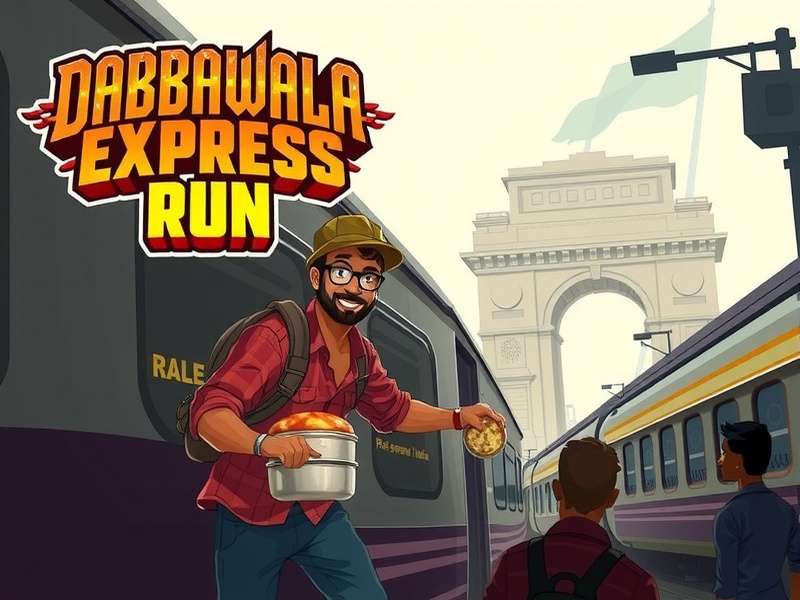
For Mumbaikar gamers and the broader Indian audience, Dabbawala Express Run is far more than an endless runner game – it is a celebration of Mumbai's unique urban identity, a long-awaited opportunity to see their city's iconic landmarks, local dialects, and working-class heroes represented in a high-quality gaming experience that meets global standards. The game's creative director, Sanjay Pendse, a native of Mumbai's Dadar neighbourhood, articulated in an interview with the Indian Mobile Gaming Chronicle: "We grew up playing endless runner games set in foreign cities and alien worlds, yet never saw our own Mumbai – its chaotic streets, iconic local trains, and remarkable dabbawalas – reflected in the digital gaming landscape. Dabbawala Express Run is our way of asserting that our stories matter, our city matters, and our unsung heroes deserve to be honoured in the digital age."
The cultural authenticity of Dabbawala Express Run permeates every minute detail – from the chai (tea) that replenishes energy to the vada pav (local snack) that serves as in-game power-ups, from the rhythmic announcements of Mumbai's local train stations in the background score to the vibrant ganpati festival processions that players can navigate around, from the iconic dabbawala code (a complex colour and number system used to sort tiffins) that forms the basis of the game's scoring system to the authentic Mumbai street sounds (honking auto-rickshaws, vendor calls, train announcements) that create an immersive audio experience. Even the game's core mechanics draw directly from the dabbawalas' daily operations – Dabbawala Express Run requires players to sort tiffins by destination codes, navigate Mumbai's peak-hour traffic, transfer tiffins between local train compartments, and deliver meals within strict time windows, mirroring the real-world challenges faced by Mumbai's dabbawalas every single day.
Crucially, Dabbawala Express Run avoids the common pitfall of reducing Mumbai's urban culture to caricatures or stereotypes. Instead, it presents a multifaceted, humanistic portrayal of Mumbai's dabbawala community – depicting the strong communal bonds among dabbawalas, the complex logistics of their delivery network, the tension between traditional methods and digital modernisation, and the economic challenges faced by this iconic Mumbai institution in the era of food delivery apps. The game's narrative humanises both the protagonist and supporting characters, offering players an authentic glimpse into the lived experiences of Mumbai's dabbawalas – from their early morning sorting sessions at Churchgate and VT (CST) stations to their evening return journeys to their villages in Maharashtra's Konkan region.
What truly elevates Dabbawala Express Run beyond being a mere game is its role as a digital archive of Mumbai's dabbawala culture. The development team collaborated with over 30 current and retired dabbawalas, Mumbai urban historians, and local language experts to document vanishing traditions, dialect variations across Mumbai's neighbourhoods, and the evolution of the dabbawala delivery system over 130 years – ensuring that these cultural treasures are preserved for future generations. This commitment to cultural preservation has earned Dabbawala Express Run recognition from the Mumbai Dabbawala Association, which has endorsed the game as an educational tool for teaching young Mumbaikars about this iconic urban institution.
In an industry dominated by generic, formulaic endless runner games that prioritise global appeal over cultural specificity, Dabbawala Express Run stands as a bold testament to the commercial and artistic viability of locally rooted gaming content. Its success has inspired a new wave of urban game development across India, with studios in Delhi, Bangalore, Kolkata, and Chennai now working on games that celebrate their unique city cultures – a direct legacy of Dabbawala Express Run's groundbreaking approach to urban cultural representation in digital media.
Dabbawala Express Run's impact extends beyond the gaming sphere, sparking renewed public interest in Mumbai's dabbawala community and their remarkable logistics system. The game has been featured in numerous business schools across India and abroad as a case study in operational efficiency and cultural authenticity, with management professors noting how Dabbawala Express Run successfully translates the dabbawalas' six-sigma rated delivery system into engaging gameplay mechanics. The Mumbai Dabbawala Association has reported a 20% increase in young people expressing interest in joining the profession since the game's release, a remarkable achievement in an era where traditional occupations are increasingly overlooked by India's youth.
Another distinguishing feature of Dabbawala Express Run is its commitment to social impact – 5% of all in-game purchase revenue is donated to the Mumbai Dabbawala Welfare Fund, which provides healthcare, education, and retirement benefits to dabbawalas and their families. This social impact initiative has resonated strongly with Indian gamers, with over 65% of players making at least one in-game purchase specifically to support the dabbawala community. The game has also partnered with Mumbai's municipal corporation to include educational content about waste management and sustainable living – reflecting the dabbawalas' long-standing commitment to environmental sustainability through their reusable tiffin system, which generates zero plastic waste compared to the estimated 12,000 tonnes of plastic waste produced annually by Mumbai's food delivery apps.
Cultural Lore & Narrative 🕵️
Historical Context 🌾
Dabbawala Express Run is deeply entrenched in the historical and cultural milieu of Mumbai's dabbawala system – a 130-year-old institution that has evolved alongside Mumbai's transformation from a collection of fishing villages to India's financial capital. The game's rich lore draws from oral histories, archival records, and contemporary ethnographic studies of the dabbawala community, which traces its origins to 1890 when Mahadeo Havaji Bachche established the first formal tiffin delivery service to cater to British colonial officials who preferred home-cooked meals over the food available in Mumbai's offices and clubs. The narrative of Dabbawala Express Run is anchored in the real historical context of the dabbawala system's evolution – from its humble beginnings with just 100 dabbawalas to its current status as a global benchmark for logistical efficiency, with a six-sigma rating (99.9999% accuracy) that surpasses many Fortune 500 companies.
The game's protagonist, Raju Koli, is a composite character inspired by real young dabbawalas who join the profession each year – men from Maharashtra's Konkan and Western Ghat regions who come to Mumbai seeking stable employment while maintaining their rural roots and community connections. In Dabbawala Express Run, Raju is a 22-year-old from Alibaug who moves to Mumbai after his father's fishing boat is damaged in a cyclone, joining his maternal uncle's dabbawala unit in Dadar to support his family. His journey from a rookie dabbawala struggling to navigate Mumbai's complex train network and decipher the colour-coded tiffin sorting system to a respected member of the community mirrors the real-life experiences of thousands of young men who join the dabbawala profession each year.
The game's narrative challenges are rooted in the real-world obstacles faced by Mumbai's dabbawalas – from navigating Mumbai's notorious monsoon floods that disrupt train services and make street delivery treacherous to adapting to the growing competition from food delivery apps like Swiggy and Zomato, from dealing with sudden train delays and cancellations to managing the increasing urban congestion that slows down delivery routes. What makes Dabbawala Express Run's narrative particularly compelling is its portrayal of the dabbawalas' unique organisational structure – a cooperative system with no formal hierarchy, where every dabbawala is an equal owner, decisions are made collectively, and profits are shared equitably. This democratic structure, which has been in place for over a century, is a central theme in Dabbawala Express Run, with players required to collaborate with other dabbawalas (NPCs) to solve logistical challenges and meet delivery deadlines.
The historical accuracy of Dabbawala Express Run extends beyond character portrayals to encompass the broader socio-economic context of Mumbai's dabbawala community. The game meticulously recreates the economic conditions faced by dabbawalas – their modest daily earnings (approximately ₹200-300 per day), their living arrangements in shared chawls (tenements) in Mumbai's working-class neighbourhoods, their weekly trips back to their villages to be with their families, and their reliance on the cooperative system for financial security and social support. Players encounter historical milestones in the dabbawala system's evolution – from the introduction of the colour-coded sorting system in the 1930s to the adoption of SMS-based booking in the 2000s, from the impact of Mumbai's train network expansion on delivery routes to the temporary disruption of services during the 2008 Mumbai attacks, when dabbawalas resumed operations within 48 hours to demonstrate Mumbai's resilience.
Mumbai Cultural Integration 🗺️
One of Dabbawala Express Run's most remarkable achievements is its seamless integration of Mumbai's urban cultural elements into every aspect of the narrative and gameplay experience. The game draws extensively from Mumbai's rich urban culture, including its multilingual linguistic landscape (Marathi, Hindi, English, Gujarati, and Tamil), its diverse culinary traditions, its iconic landmarks and neighbourhoods, and its unique blend of colonial and indigenous architectural styles. This cultural integration is not merely cosmetic but is woven into the very fabric of Dabbawala Express Run, making cultural immersion a core gameplay mechanic rather than an afterthought.
🚆 Linguistic Authenticity: A defining feature of Dabbawala Express Run is its commitment to linguistic authenticity – the game features full voice acting in the distinctive Mumbai dialects of Marathi (Varhadi and Malvani), Hindi (Bambaiya Hindi), and English (Indian English with Mumbai inflections), with voice actors carefully recruited from specific Mumbai neighbourhoods to ensure perfect pronunciation and intonation. The game's dialogue includes Mumbai's unique slang and colloquial expressions – from bhai (brother) and bawa (friend) to ghati (person from the Western Ghats) and pakhau (fake) – with optional explanatory notes for non-Mumbaikar players to understand the cultural context of these linguistic nuances. Even the game's tutorial system uses Mumbai's iconic hand signals and verbal cues that dabbawalas use to communicate in the noisy, crowded environment of Mumbai's train stations.
🚆 Logistical Heritage: Dabbawala Express Run pays homage to the dabbawalas' remarkable logistical system, which has been refined over 130 years to achieve near-perfect efficiency with minimal technology. The game features the dabbawalas' iconic colour-coding system (which uses a combination of colours, numbers, and symbols to identify each tiffin's origin, destination, and recipient) as a core gameplay mechanic, with players required to sort tiffins correctly to progress through levels. The game also incorporates the dabbawalas' unique hand signals and oral communication methods, which allow them to transfer tiffins between moving trains and navigate Mumbai's crowded platforms without verbal communication – a critical skill in the noisy, chaotic environment of Mumbai's local train stations.
🚆 Urban Navigation: Mumbai's complex urban geography is central to the gameplay loop of Dabbawala Express Run – players must navigate the city's iconic neighbourhoods (from South Mumbai's Fort and Colaba to Central Mumbai's Dadar and Matunga, from Western Suburbs' Bandra and Andheri to Eastern Suburbs' Ghatkopar and Mulund) using the city's lifeline – its local train network. The game accurately recreates Mumbai's train lines (Western, Central, and Harbour lines), their peak-hour crowds, their distinctive red and green local trains, and their iconic stations (Churchgate, CST, Dadar, Kurla, Thane), with players required to master the timing of train arrivals and departures to make timely deliveries. These navigation challenges are not mere side elements but are integral to the protagonist's success as a dabbawala, reflecting the centrality of Mumbai's train network to the dabbawala delivery system and to Mumbai's urban identity.
🚆 Festive & Religious Traditions: Dabbawala Express Run incorporates Mumbai's vibrant religious and cultural festivals – including Ganesh Chaturthi (the city's most iconic festival), Diwali (festival of lights), Holi (festival of colours), and Eid – as key narrative moments and gameplay challenges. During Ganesh Chaturthi, players must navigate around massive processions carrying Ganesh idols to the sea, delivering tiffins to office workers who are participating in the celebrations while maintaining their delivery schedules. During monsoon season (June-September), players face additional challenges from heavy rains, waterlogging, and frequent train delays – reflecting the real-world obstacles that dabbawalas overcome every monsoon to maintain their 99.9999% delivery accuracy rate. Each festival and seasonal challenge unlocks unique cultural insights and gameplay rewards, deepening players' understanding of Mumbai's diverse cultural landscape.
🚆 Culinary Culture: Mumbai's diverse culinary traditions are central to Dabbawala Express Run's gameplay and narrative – the game features over 50 iconic Mumbai dishes (from vada pav and pav bhaji to misal pav and kanda poha) that appear as power-ups and rewards, each with authentic descriptions of their origins and cultural significance. The game's tiffin sorting system includes region-specific dishes from different parts of Maharashtra and India, reflecting the diverse culinary preferences of Mumbai's office workers – from Kolhapuri mutton to Goan fish curry, from Punjabi chole bhature to South Indian idli sambar. This culinary diversity is not merely decorative but impacts gameplay, with certain dishes requiring special handling (e.g., hot dishes that must be delivered quickly to avoid cooling down) and certain recipients having specific dietary preferences or restrictions that players must accommodate to earn bonus points.
The writing team behind Dabbawala Express Run collaborated with over 25 current and retired dabbawalas, Mumbai urban historians, and local language experts over a period of 18 months to ensure absolute cultural accuracy. This extensive research phase involved documenting the dabbawalas' daily routines, their unique communication methods, their cooperative organisational structure, their dialect variations across Mumbai's different dabbawala units, and their evolving relationship with Mumbai's urban landscape over 130 years. The fruits of this research are evident in every aspect of Dabbawala Express Run – from the precise replication of the dabbawalas' colour-coded tiffin sorting system to the authentic portrayal of Mumbai's local train announcements, from the accurate depiction of dabbawala attire (white dhoti-kurta with Gandhi cap and distinctive red-and-white or blue-and-white jackets) to the realistic representation of Mumbai's neighbourhood-specific architectural styles (Art Deco in South Mumbai, chawls in Central Mumbai, high-rises in the suburbs).
What sets Dabbawala Express Run apart from other culturally themed games is its refusal to exoticise or romanticise Mumbai's urban culture or the dabbawala profession. Instead, it presents a balanced, realistic portrayal that acknowledges both the strengths and challenges of the dabbawala system – the remarkable efficiency, collective decision-making, and social cohesion of the dabbawala cooperative alongside the economic pressures, technological disruption, and urban challenges that threaten this traditional institution in the 21st century. This nuanced approach to cultural representation has earned Dabbawala Express Run praise from cultural scholars and gamers alike, who appreciate the game's commitment to authenticity over sanitised, idealised portrayals of urban working-class life.
Narrative Structure 📖
The narrative architecture of Dabbawala Express Run is divided into 10 immersive chapters, each set in a distinct neighbourhood and season of Mumbai – from the colonial-era streets of South Mumbai during winter to the bustling suburbs of Andheri during monsoon, from the industrial belt of Kurla during summer to the residential neighbourhoods of Matunga during the festive season of Ganesh Chaturthi. The game's story unfolds through a masterful blend of main missions that advance the core narrative of Raju Koli's journey from rookie to master dabbawala and side missions that offer players the opportunity to explore diverse facets of Mumbai's urban life – from delivering special tiffins to iconic Mumbai landmarks (the Gateway of India, Marine Drive, the Taj Mahal Palace Hotel) to participating in the dabbawala cooperative's decision-making processes to resolving delivery disputes between dabbawalas and customers.
What distinguishes Dabbawala Express Run from conventional endless runner games is its remarkable narrative depth and moral complexity. The game eschews simplistic "score high" tropes, instead presenting players with morally ambiguous choices that reflect the real-world challenges faced by Mumbai's dabbawalas in the 21st century. For instance, players may face dilemmas such as choosing between prioritising speed (to meet delivery deadlines) or safety (to avoid accidents in Mumbai's chaotic traffic), between adhering to the dabbawalas' traditional methods or adopting digital technologies (like smartphone apps for order tracking), between accepting lower delivery fees from price-sensitive customers or maintaining the cooperative's fair wage structure, and between prioritising individual performance or supporting fellow dabbawalas who are struggling with difficult deliveries.
The narrative of Dabbawala Express Run offers multiple branching paths and endings based on the player's choices throughout the game, with each ending reflecting a different aspect of Mumbai's dabbawala culture – from the sahyog (cooperation) of supporting the cooperative system to the prayatna (effort) of mastering the dabbawala profession to the anushasan (discipline) of maintaining the 130-year tradition of near-perfect delivery accuracy. This narrative complexity has been widely lauded by critics, who have noted that Dabbawala Express Run treats its cultural subject matter with the same respect, depth, and nuance typically reserved for major global gaming franchises like Subway Surfers or Temple Run, while offering a uniquely Indian perspective on the endless runner genre.
Another distinctive feature of Dabbawala Express Run's narrative is its focus on environmental storytelling – the game's open world is filled with subtle details that reveal the social, economic, and cultural realities of contemporary Mumbai. Graffiti advocating for better working conditions for dabbawalas, posters advertising food delivery app discounts, newspaper clippings about Mumbai's train network expansion, and the gradual gentrification of traditional dabbawala neighbourhoods all contribute to a rich, immersive narrative experience that extends beyond explicit dialogue and cutscenes. This environmental storytelling approach allows players to piece together the broader socio-economic context of Dabbawala Express Run through exploration and observation, creating a more engaging and personal connection with the game's setting and themes.
The character development in Dabbawala Express Run is equally sophisticated, with both the protagonist and supporting cast undergoing meaningful transformations throughout the game. Raju Koli's journey from a naive village boy overwhelmed by Mumbai's chaos to a confident, respected dabbawala who embodies the community's values of discipline, cooperation, and resilience reflects the broader experience of millions of migrants who come to Mumbai seeking a better life. The supporting characters – including veteran dabbawalas who mentor Raju, customers from diverse backgrounds (from corporate executives in Nariman Point to small business owners in Dadar), Mumbai's iconic local train vendors, and representatives from food delivery apps – are equally well-developed, each with their own motivations, fears, and aspirations that reflect the diverse perspectives of contemporary Mumbai.
One of the most innovative narrative features of Dabbawala Express Run is its "Day in the Life" mode, which allows players to experience a complete 12-hour working day as a dabbawala – from the early morning tiffin collection in residential neighbourhoods (4-7 AM) to the sorting process at major train stations (7-9 AM), from the peak-hour deliveries via local trains and bicycles (9 AM-2 PM) to the return journey of empty tiffins (2-6 PM). This mode accurately recreates the dabbawalas' daily schedule, which has remained largely unchanged for over a century, and offers players a profound understanding of the physical endurance, mental discipline, and logistical expertise required to be a successful dabbawala. The mode also includes authentic breaks for chai and vada pav at Mumbai's iconic Irani cafes and street food stalls, reflecting the important role that these small rituals play in the dabbawalas' daily lives and in Mumbai's urban culture.
Gameplay Mechanics ⚙️
Core Endless Runner System 🎮
The core gameplay system of Dabbawala Express Run represents a groundbreaking evolution of the endless runner genre, reimagined through the lens of Mumbai's dabbawala delivery system to create a uniquely Indian gaming experience. Developed in close collaboration with veteran dabbawalas who provided motion capture and gameplay feedback, the mechanics of Dabbawala Express Run prioritise realistic movement patterns and logistical challenges over the exaggerated physics of mainstream endless runners. Dubbed the Dabbawala Logistics System, this innovative gameplay framework draws from three core aspects of the dabbawala profession that have been refined over 130 years of daily operation in Mumbai's chaotic urban environment:
- Urban Navigation: The primary movement system in Dabbawala Express Run, based on the dabbawalas' intimate knowledge of Mumbai's streets, train lines, and shortcuts that allows them to navigate the city's notorious traffic and congestion. Players control Raju Koli as he travels on foot, by bicycle, and via local trains through Mumbai's diverse neighbourhoods, with movement mechanics that accurately simulate the physical demands of the dabbawala profession – from running through crowded train platforms to cycling against traffic on Mumbai's narrow streets to balancing stacks of tiffins while navigating uneven pavement. The game features over 40 unique movement animations based on motion capture from real dabbawalas, each reflecting the efficient, economical movements that characterise the dabbawalas' daily work.
- Tiffin Sorting & Handling: The core logistical mechanic of Dabbawala Express Run, rooted in the dabbawalas' iconic colour-coded sorting system that enables them to process over 200,000 tiffins daily with near-perfect accuracy. Players must quickly sort incoming tiffins by destination codes (combining colours, numbers, and symbols) while on the move, with correct sorting earning speed boosts and bonus points and incorrect sorting resulting in delivery delays and score penalties. The game features three difficulty levels of sorting complexity, mirroring the real-world progression that new dabbawalas undergo – from basic neighbourhood-level sorting to the complex inter-line transfers between Mumbai's Western, Central, and Harbour train lines.
- Time Management: The strategic core of Dabbawala Express Run, reflecting the dabbawalas' strict delivery schedules that require them to complete their rounds within precise time windows (typically 9 AM-2 PM for lunch deliveries). Players must balance speed and accuracy to meet delivery deadlines, with the game's dynamic time system creating realistic pressure – deliveries made before 1 PM earn full points, those made between 1-2 PM earn reduced points, and those made after 2 PM result in customer complaints and reputation damage. The time management system also incorporates real-world Mumbai variables like train delays, traffic jams, and monsoon rains that impact delivery times, requiring players to adapt their routes and priorities in real time – just like real dabbawalas.
Players control Raju Koli using intuitive touch controls (swipe up to climb stairs/trains, swipe down to duck under obstacles, swipe left/right to change lanes/directions) or tilt controls (for bicycle sections), with the game's physics engine carefully calibrated to reflect Mumbai's urban geography – from the flat, paved streets of South Mumbai to the hilly terrain of Malabar Hill to the crowded platforms of Dadar station. What makes the core system of Dabbawala Express Run truly revolutionary is its Cooperative Delivery System – a multiplayer gameplay mechanic that allows up to four players to work together as a dabbawala team, each responsible for a different aspect of the delivery process (collection, sorting, transportation, final delivery) – reflecting the real-world cooperative structure of Mumbai's dabbawala network where no single individual completes the entire delivery chain alone.
The game's endless runner format is structured around Mumbai's actual delivery zones rather than generic procedurally generated levels, with each zone featuring authentic landmarks, obstacles, and delivery challenges:
- South Mumbai Zone (Fort/Colaba): Features narrow colonial-era streets, iconic landmarks (Gateway of India, CST Station, Marine Drive), and high-rise corporate offices with tight delivery windows, requiring precise navigation and quick sorting skills in Dabbawala Express Run.
- Central Mumbai Zone (Dadar/Matunga): The heart of the dabbawala system in Dabbawala Express Run, featuring the main sorting centres at Dadar station, dense residential chawls, and a mix of commercial and residential deliveries that test players' logistical skills.
- Western Suburbs Zone (Bandra/Andheri): Characterised by wider roads, modern high-rises, and heavy traffic congestion in Dabbawala Express Run, requiring players to master bicycle navigation and alternative routes to meet delivery deadlines.
- Eastern Suburbs Zone (Ghatkopar/Mulund): Features industrial areas, residential complexes, and longer delivery distances in Dabbawala Express Run, testing players' endurance and route-planning abilities.
- Harbour Line Zone (Kurla/Chembur): Combines industrial and residential deliveries with frequent train transfers in Dabbawala Express Run, requiring players to master the complex Harbour Line network and inter-line transfers.
The core mechanics of Dabbawala Express Run are further enhanced by the innovative Dabbawala Skill System – a progression framework deeply tied to Raju's mastery of the dabbawala profession and his integration into Mumbai's urban culture. By completing deliveries accurately, learning Mumbai's shortcuts and train timetables, and building relationships with customers and fellow dabbawalas, players can unlock special abilities that reflect the real skills of veteran dabbawalas – from Train Timing Intuition (predicting train delays) to Shortcut Mastery (accessing hidden routes through Mumbai's chawls and back alleys) to Customer Relations (reducing penalties for minor delivery delays). This system creates a meaningful connection between cultural immersion and gameplay effectiveness in Dabbawala Express Run, encouraging players to engage with the dabbawala profession as a holistic cultural experience rather than just a series of running challenges.
Power-Ups & Mumbai Authenticity 🌍
Dabbawala Express Run's power-up system represents a radical departure from the generic power-ups of mainstream endless runners, replacing fantasy elements with authentic Mumbai cultural items that reflect the dabbawalas' daily lives and Mumbai's urban ecosystem. Every power-up in Dabbawala Express Run has a basis in the real-world tools, foods, and cultural elements that shape the dabbawala profession, creating a gameplay experience that is both familiar to Indian players and authentic to Mumbai's urban context:
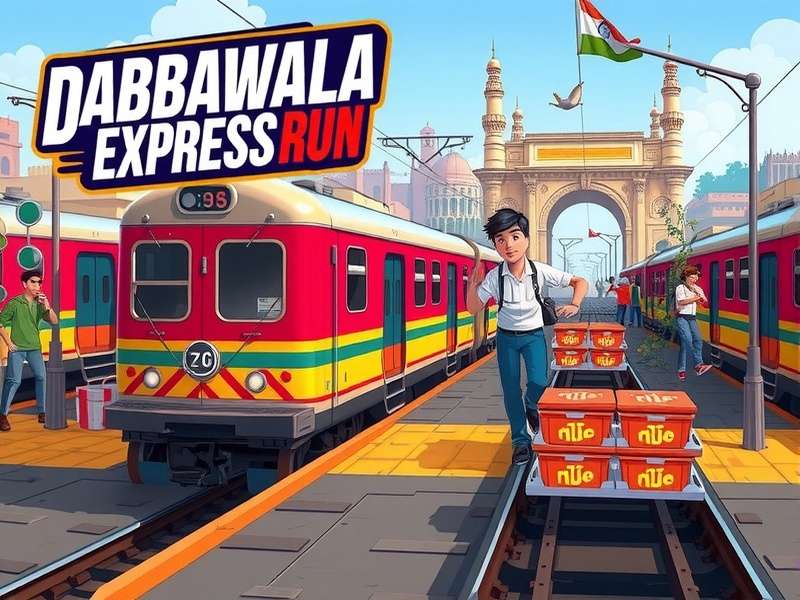
- Chai Break (चाय ब्रेक): A core power-up in Dabbawala Express Run that replenishes Raju's stamina and provides a temporary speed boost, reflecting the essential role that chai (tea) plays in the dabbawalas' daily routine and in Mumbai's urban culture. Players collect chai cups scattered throughout Mumbai's streets and train platforms, with different types of chai (cutting chai, masala chai, ginger chai) providing varying levels of stamina restoration and speed enhancement.
- Vada Pav Boost (वड़ा पाव बूस्ट): Mumbai's iconic street food serves as a high-value power-up in Dabbawala Express Run, providing both stamina restoration and temporary invincibility to obstacles (like potholes, stray dogs, and crowded sidewalks) for 15 seconds. Collecting multiple vada pavs in a row unlocks a "Mumbai Street Food Combo" bonus, reflecting the real-world practice of dabbawalas stopping at street food stalls for quick, energy-rich meals during their rounds.
- Dabbawala Whistle (डब्बावाला सीटी): A unique power-up in Dabbawala Express Run based on the distinctive whistles that dabbawalas use to communicate with each other across crowded train platforms and busy streets. Using the whistle power-up temporarily slows down game speed and highlights all tiffin sorting codes and delivery destinations, helping players make quick decisions in high-pressure situations – just like real dabbawalas use whistles to coordinate their movements in Mumbai's chaotic environment.
- Local Train Pass (लोकल ट्रेन पास): A strategic power-up in Dabbawala Express Run that allows Raju to bypass crowded general compartments and use the less-crowded ladies' special or first-class compartments (with permission from other passengers, reflecting Mumbai's social norms) to make faster deliveries. This power-up accurately reflects the dabbawalas' real-world access to all train compartments (granted by the Indian Railways in recognition of their essential service) and their respectful relationship with Mumbai's commuters.
- Raincoat (रेनकोट): A seasonal power-up in Dabbawala Express Run that protects Raju from monsoon rain effects (slower movement, reduced visibility) during Mumbai's rainy season (June-September in the game). The raincoat power-up also allows Raju to navigate waterlogged streets and platforms without speed penalties, reflecting the real-world adaptations that dabbawalas make to maintain their delivery accuracy even during Mumbai's heaviest monsoon rains.
- Ganesh Blessing (गणेश आशीर्वाद): A special festival power-up in Dabbawala Express Run available only during the Ganesh Chaturthi season, providing temporary immunity to all obstacles and delivery delays as a tribute to Mumbai's most beloved festival. Collecting this power-up requires navigating around Ganesh processions and delivering special prasad (holy food) to customers, reflecting the dabbawalas' respect for Mumbai's diverse religious traditions and their role in supporting the city's cultural life.
The power-up system in Dabbawala Express Run is further contextualised by Mumbai's daily rhythms and seasonal variations, with certain power-ups becoming more valuable during specific times of day or seasons. For example, chai break power-ups are more abundant and effective during the early morning and late afternoon (reflecting Mumbai's tea-drinking culture), while raincoat power-ups appear only during monsoon season and provide greater benefits during heavy rain events. This dynamic power-up system creates a gameplay experience in Dabbawala Express Run that evolves with Mumbai's urban calendar, encouraging players to engage with the city's seasonal rhythms and cultural events as an integral part of their gameplay strategy.
What truly distinguishes the power-up system of Dabbawala Express Run from other endless runners is its educational component – every power-up includes a brief cultural explanation (accessible via a tap/click) about its significance in Mumbai's urban culture and the dabbawala profession. For example, the vada pav boost includes information about the history of Mumbai's most iconic street food (invented in the 1960s by Ashok Vaidya in Dadar) and its role as an affordable, energy-rich meal for Mumbai's working class, while the dabbawala whistle explains the specific whistle patterns that different dabbawala units use to communicate across Mumbai's noisy train stations. This educational layer transforms Dabbawala Express Run from a purely entertainment product into a cultural ambassador for Mumbai's working-class traditions, providing players (especially non-Mumbaikars) with valuable insights into the city's unique urban culture.
Progression & Skill Development 📈
Character progression in Dabbawala Express Run is a sophisticated, multi-faceted system that ties Raju Koli's abilities directly to his mastery of the dabbawala profession and his integration into Mumbai's urban fabric, rather than relying on generic upgrade trees found in mainstream endless runners. The progression system is built around three interconnected skill trees that reflect different dimensions of the dabbawala profession and Mumbai's urban identity, ensuring that players must engage with all aspects of the dabbawala experience to fully develop Raju's abilities in Dabbawala Express Run:
- Dabbawala (Delivery Expert) Skill Tree: Focused on the core logistics and physical skills of the dabbawala profession, this skill tree in Dabbawala Express Run includes mastery of tiffin sorting codes, train timetable memorisation, efficient movement techniques, and damage reduction (for dropped tiffins). Upgrades in this tree reflect the real skills that dabbawalas develop through years of experience – from the ability to balance 30+ tiffins on a bicycle to the capacity to sort 100+ tiffins per minute to the knowledge of alternative routes when trains are delayed.
- Mumbaikar (Urban Navigator) Skill Tree: Centred on intimate knowledge of Mumbai's geography and urban culture, this progression path in Dabbawala Express Run enhances Raju's ability to navigate Mumbai's complex urban environment – including shortcut mastery, crowd navigation, traffic pattern recognition, and weather adaptation (especially during monsoon season). Upgrades in this tree reflect the "local knowledge" that distinguishes veteran Mumbaikars from newcomers – from knowing which streets flood first during monsoons to understanding the peak-hour crowd patterns at each train station to recognising which traffic signals are most frequently ignored by drivers.
- Sahayak (Community Member) Skill Tree: Focused on Raju's integration into the dabbawala cooperative and Mumbai's social fabric, this skill tree in Dabbawala Express Run improves Raju's ability to collaborate with other dabbawalas, negotiate with customers, and access community resources (like emergency bicycle repairs or temporary shelter during heavy rains). Upgrades in this tree reflect the cooperative values of the dabbawala system – from shared workload distribution to collective problem-solving to mutual support during personal or professional challenges – and unlock cooperative gameplay opportunities with NPC dabbawalas.
Skill points in Dabbawala Express Run are earned through a balanced combination of delivery accuracy, customer satisfaction, cultural engagement (learning Mumbai's traditions and dialects), and cooperative play – ensuring that progression rewards both technical skill and cultural immersion rather than prioritising high scores alone. This innovative progression system has been widely praised by critics and players for encouraging engagement with all aspects of the dabbawala profession in Dabbawala Express Run, creating a more holistic and authentic gaming experience that reflects the interconnected nature of the dabbawala profession where logistical skill, urban knowledge, and community integration are equally essential to success.
Another distinctive feature of Dabbawala Express Run's progression system is its Dabbawala Rank System – a prestige system based on the real hierarchical structure of Mumbai's dabbawala cooperative (from rookie "Chhota Dabbawala" to master "Bade Dabbawala" to cooperative leader "Sethji"). Each rank unlocks new delivery zones, more complex sorting challenges, and special missions that reflect the increasing responsibilities of higher-ranking dabbawalas – from training new recruits to resolving disputes between dabbawalas and customers to representing the cooperative in meetings with Mumbai's municipal authorities or railway officials. This rank system transforms Dabbawala Express Run from a purely score-based endless runner into a career simulation that allows players to experience the full professional journey of a Mumbai dabbawala, from their first day of training to their eventual leadership role in the cooperative.
The progression system in Dabbawala Express Run also incorporates realistic economic elements that reflect the dabbawala profession's financial realities – players earn daily wages based on the number of deliveries completed, must pay for bicycle maintenance and train passes, and can invest in cooperative funds that provide collective benefits (like improved sorting facilities at train stations or emergency healthcare for dabbawalas). These economic mechanics add a strategic layer to Dabbawala Express Run, requiring players to balance short-term earnings with long-term investments in their professional development and the cooperative's sustainability – mirroring the real financial decisions that dabbawalas make to maintain their livelihood and support their community.
Challenges & Mumbai Realism 🧩
While Dabbawala Express Run features the fast-paced movement of the endless runner genre, the game places equal emphasis on realistic challenges that reflect the real-world obstacles faced by Mumbai's dabbawalas – creating a gameplay experience that is both exciting and authentic to the realities of urban delivery work in India's maximum city. The challenge system of Dabbawala Express Run is uniquely adapted to Mumbai's urban environment and the specific difficulties of the dabbawala profession, creating gameplay obstacles that feel organic to the setting rather than generic or borrowed from other games:
- Train Congestion: A core challenge in Dabbawala Express Run that simulates Mumbai's notoriously crowded local trains, which carry over 7 million passengers daily and present significant obstacles for dabbawalas transferring tiffins between compartments and stations. Players must navigate packed train platforms, squeeze through doorways against exiting passengers, and transfer tiffins between moving trains (a signature dabbawala skill) – with the difficulty increasing during peak hours (8-10 AM and 6-8 PM) when trains are most crowded. The game accurately recreates the crowd density and movement patterns of each train station, with Dadar (the main interchange station) presenting the greatest congestion challenge in Dabbawala Express Run.
- Monsoon Conditions: A seasonal challenge in Dabbawala Express Run that reflects Mumbai's four-month monsoon season (June-September), which brings heavy rains, frequent flooding, and reduced visibility that disrupt the dabbawalas' delivery schedule. During monsoon levels, players must navigate waterlogged streets (with varying depths that slow movement), avoid fallen trees and electrical hazards, and cope with frequent train delays and cancellations – all while protecting the tiffins from rain damage using traditional waterproof covers (a real dabbawala adaptation). The monsoon challenge is widely regarded as the most authentic and difficult aspect of Dabbawala Express Run, accurately capturing the resilience required of Mumbai's dabbawalas to maintain their delivery accuracy even during the city's harshest weather conditions.
- Traffic Chaos: A constant challenge in Dabbawala Express Run that simulates Mumbai's notorious traffic congestion and lack of traffic discipline, which creates daily obstacles for dabbawalas cycling between train stations and delivery destinations. Players must navigate a chaotic mix of vehicles (cars, auto-rickshaws, buses, motorcycles, hand carts) that frequently ignore traffic signals and lane markings, avoid potholes and road construction, and cope with sudden road closures for political rallies or religious processions – all while balancing stacks of tiffins on a bicycle. The traffic AI in Dabbawala Express Run is based on real Mumbai traffic patterns, with different neighbourhoods featuring distinct traffic behaviours (from the relatively orderly streets of South Mumbai to the anarchic lanes of Dharavi slum).
- Cultural Events: Special challenges in Dabbawala Express Run that reflect Mumbai's vibrant cultural calendar, which frequently disrupts normal delivery routes with processions, festivals, and public gatherings. During Ganesh Chaturthi, players must navigate massive processions carrying Ganesh idols to the sea, often requiring detours of several kilometres to maintain delivery schedules. During political rallies (a frequent occurrence in Mumbai), players must cope with road closures, police barricades, and large crowds that block normal delivery routes. These cultural event challenges are not merely obstacles but opportunities to engage with Mumbai's diverse cultural life, with players earning bonus points for delivering special festival tiffins (like modak during Ganesh Chaturthi or gujiya during Holi) to customers celebrating these events.
- Customer Demands: A strategic challenge in Dabbawala Express Run that reflects the diverse and sometimes demanding expectations of Mumbai's dabbawala customers, ranging from corporate executives in Nariman Point to small business owners in Dadar to teachers in suburban schools. Players must accommodate special requests (like delivering tiffins to specific floors of high-rise buildings, avoiding certain delivery times when offices are in meetings, or handling special dietary requirements) while maintaining their overall delivery schedule – with satisfied customers providing better tips and repeat business (in-game currency and reputation) and dissatisfied customers resulting in complaints and reduced opportunities. This customer interaction challenge adds a social dimension to Dabbawala Express Run, requiring players to balance efficiency with interpersonal skills – a key aspect of the dabbawala profession that is often overlooked in discussions of their logistical efficiency.
Dabbawala Express Run also incorporates innovative dynamic difficulty adjustment that responds to the player's performance and Mumbai's simulated conditions – creating a gameplay experience that is both accessible to casual players and challenging to hardcore gamers while remaining authentic to the dabbawala profession. For example, players struggling with train congestion will receive temporary assistance from NPC dabbawalas (like help transferring tiffins between crowded trains), while expert players will face additional challenges (like last-minute delivery requests or unexpected train diversions) that test their mastery of Mumbai's logistics. This dynamic difficulty system ensures that Dabbawala Express Run remains engaging for players of all skill levels while maintaining the cultural authenticity that is the game's core strength.
The challenge system of Dabbawala Express Run is further enhanced by its Special Delivery Missions – time-limited challenges that reflect the extraordinary deliveries that dabbawalas occasionally make beyond their normal routes. These missions include delivering emergency medical supplies (a real dabbawala service during the COVID-19 pandemic), transporting important documents between Mumbai's business districts (a historical dabbawala service before digital communication), and delivering special festival meals to remote Mumbai neighbourhoods during public transport strikes. These special missions provide players with a deeper understanding of the dabbawala system's role in Mumbai's urban ecosystem beyond just tiffin delivery, highlighting their importance as a flexible, reliable logistics network that serves the broader community in times of need.
Mumbai Setting & Cultural Authenticity 🇮🇳
Geographical Representation 🗺️
The open world of Dabbawala Express Run is meticulously divided into five distinct geographical zones of Mumbai, each representing a unique neighbourhood with its own physical characteristics, cultural traditions, and delivery challenges – a level of urban detail unprecedented in Indian mobile gaming. Each zone features distinct architecture, transportation patterns, dialect variations, and cultural practices that reflect the surprising diversity of Mumbai despite its common perception as a homogeneous urban mass. This geographical specificity is a defining feature of Dabbawala Express Run, allowing players to experience the rich neighbourhood variations that characterise India's financial capital:
📍 South Mumbai (South Mumbai): The starting zone of Dabbawala Express Run, representing Mumbai's historic core and the original heart of the dabbawala system. Characterised by colonial-era architecture (Art Deco buildings, Gothic Revival structures), narrow winding streets, and high concentration of corporate offices and upscale residential buildings, this zone features the most demanding delivery deadlines (reflecting the fast-paced corporate culture of South Mumbai) and the most complex tiffin sorting codes (reflecting the high volume of deliveries to this densely packed business district). South Mumbai in Dabbawala Express Run includes iconic landmarks like the Gateway of India, Marine Drive ("Queen's Necklace"), CST Station (a UNESCO World Heritage Site), and Nariman Point (Mumbai's central business district), all recreated with photorealistic accuracy based on on-location photography and 3D scanning.
📍 Central Mumbai (Central Mumbai): Known as the "dabbawala headquarters" in Dabbawala Express Run, this zone features Dadar station (the main sorting hub for the entire dabbawala network), a mix of residential chawls (traditional tenement buildings) and commercial areas, and a vibrant working-class culture that is the spiritual home of Mumbai's dabbawalas. Characterised by the distinctive Mumbai mix of Marathi, Gujarati, and North Indian cultural influences, this zone features the most complex sorting challenges in Dabbawala Express Run (reflecting Dadar's role as the central interchange for Mumbai's Western and Central train lines) and the most opportunities to interact with veteran dabbawalas and learn the profession's traditions and techniques.
📍 Western Suburbs (Western Suburbs): Dominated by wider roads, modern high-rise residential buildings, and commercial complexes in Dabbawala Express Run, this zone (including Bandra, Khar, Santacruz, and Andheri) reflects Mumbai's post-independence expansion to the north and west. Characterised by a cosmopolitan mix of Bollywood celebrities, expats, and middle-class professionals, this zone features longer delivery distances (reflecting the suburban sprawl of Western Mumbai) and more bicycle navigation challenges (reflecting the heavy traffic congestion of the Western Express Highway). The Western Suburbs in Dabbawala Express Run include iconic landmarks like Bandra-Worli Sea Link (India's longest sea bridge), Juhu Beach (Mumbai's most famous beach), and Film City (the heart of Bollywood), all accurately recreated to reflect their role in Mumbai's contemporary urban landscape.
📍 Eastern Suburbs (Eastern Suburbs): A mix of industrial areas, middle-class residential complexes, and informal settlements in Dabbawala Express Run, this zone (including Ghatkopar, Vikhroli, Mulund, and Thane) represents Mumbai's industrial heartland and the dabbawala system's expansion to serve the city's manufacturing and logistics sectors. Characterised by the distinctive mix of Marathi and South Indian cultural influences (reflecting the large Tamil and Telugu population in this area), this zone features the longest delivery routes in Dabbawala Express Run (reflecting the suburban sprawl of Eastern Mumbai) and the most challenging weather-related obstacles (reflecting the higher rainfall and flooding in this low-lying area during monsoon season).
📍 Harbour Line (Harbour Line): A unique zone in Dabbawala Express Run that follows Mumbai's Harbour Line train route (connecting CST to Kurla, Chembur, and Navi Mumbai), representing the city's eastern waterfront and industrial areas. Characterised by a mix of port-related industries, fishing villages, and rapidly developing residential areas (like Navi Mumbai), this zone features the most complex train transfer challenges in Dabbawala Express Run (reflecting the Harbour Line's role as a connecting route between Mumbai's different train lines) and the most opportunities to interact with Mumbai's diverse working-class communities (including dock workers, fishermen, and factory employees).
The geographical accuracy of Dabbawala Express Run extends to the smallest environmental details that reflect neighbourhood variations across Mumbai. From the types of street food vendors found in each area (vada pav in Dadar, bhel puri at Juhu Beach, keema pav in Mohammad Ali Road) to the dominant languages heard in each zone (English and Hindi in South Mumbai, Marathi in Central Mumbai, mix of languages in the suburbs) to the architectural styles of residential buildings (Art Deco in South Mumbai, chawls in Central Mumbai, high-rises in the suburbs), every environmental detail in Dabbawala Express Run contributes to an authentic sense of place that has resonated deeply with Mumbaikar players who recognise their local neighbourhoods and landmarks represented with unprecedented accuracy.
The game's environmental design also powerfully reflects Mumbai's socio-economic geography – the gleaming glass towers of Nariman Point where corporate executives order premium home-cooked meals stand in stark contrast to the crowded chawls of Dharavi where dabbawalas live in shared tenements, while the leafy lanes of Malabar Hill (Mumbai's most exclusive neighbourhood) contrast with the industrial areas of Kurla where factory workers rely on affordable dabbawala deliveries to avoid expensive restaurant meals. This attention to socio-economic detail in Dabbawala Express Run adds profound depth to the game's setting, helping players understand the material conditions and power relationships that shape Mumbai's urban landscape and the dabbawala system's role in connecting these diverse worlds through the simple act of delivering home-cooked meals.
Architectural Authenticity 🏛️
The architectural design of Dabbawala Express Run represents the culmination of over 18 months of intensive research into Mumbai's built environment, with the game's art team documenting over 200 iconic buildings, streetscapes, and urban spaces across the city. This exhaustive research has resulted in an architectural representation in Dabbawala Express Run that is not only visually authentic but also historically accurate, reflecting the socio-economic realities, cultural influences, and urban adaptations that have shaped Mumbai's built environment over 300 years:
- Colonial Architecture (South Mumbai): The historic core of Mumbai in Dabbawala Express Run, featuring meticulously recreated examples of British colonial architecture including Gothic Revival (CST Station, University of Mumbai), Art Deco (Marine Drive buildings, Oval Maidan area), and Indo-Saracenic (Gateway of India, Taj Mahal Palace Hotel) styles. These buildings in Dabbawala Express Run are accurately depicted with their distinctive features – the pointed arches and spires of Gothic Revival, the geometric patterns and ocean-inspired motifs of Art Deco, and the blend of Indian and Islamic elements with British colonial design in Indo-Saracenic structures – all reflecting Mumbai's history as a major British colonial trading port.
- Chawls (Central Mumbai): The iconic tenement buildings that are the primary housing for Mumbai's working class (including many dabbawalas) in Dabbawala Express Run, meticulously recreated with their characteristic features – shared courtyards, communal water taps, external staircases, and small one-room units arranged around open spaces. These chawls in Dabbawala Express Run are accurately depicted with their neighbourhood-specific variations (from the textile mill chawls of Parel to the artisan chawls of Matunga to the mixed-use chawls of